As a wedding photographer, one of the most common questions I get asked is: how many hours of coverage do we actually need for our wedding day? And honestly, the answer is always a little different for every couple. There is no one size fits all timeline, but there are definitely patterns I see over and over again that can help guide your decision.
I wanted to break this down in a simple, real way so you can feel confident choosing the right amount of coverage for your day without overthinking it or worrying that you will miss anything important.
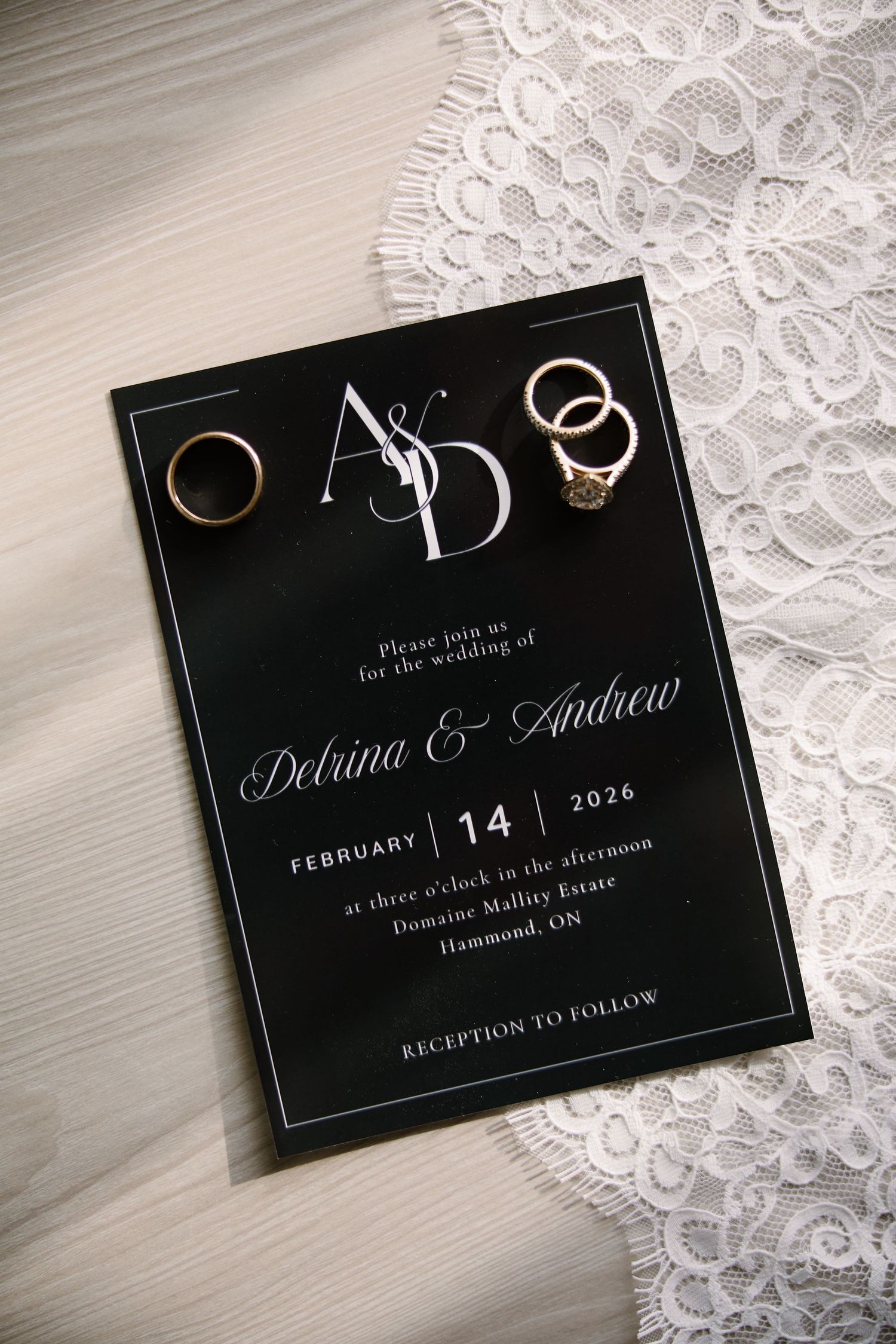
The most common wedding photography coverage options
Most weddings I photograph fall into 3 main coverage ranges:
6 hours of coverage:
This is usually best for smaller weddings or couples who are having a more simple timeline. With 6 hours, I typically focus on the key parts of the day like ceremony, family photos, couple portraits, and part of the reception. It works well if everything is happening in one location and you are okay with a faster paced timeline.
8 hours of coverage:
This is the most popular option for a reason. Eight hours usually allows me to capture the full story of the day without feeling rushed. I can typically cover getting ready through to early reception events like speeches, first dances, and some candid dancing moments.
10 hours of coverage:
This is ideal for full storytelling coverage. It gives us space for a slower, more relaxed morning, detail shots, getting ready moments for both partners, full ceremony coverage, extended portraits, and a big chunk of the reception party. If you want your full day documented from start to finish without feeling like anything is missed, this is usually the best choice.
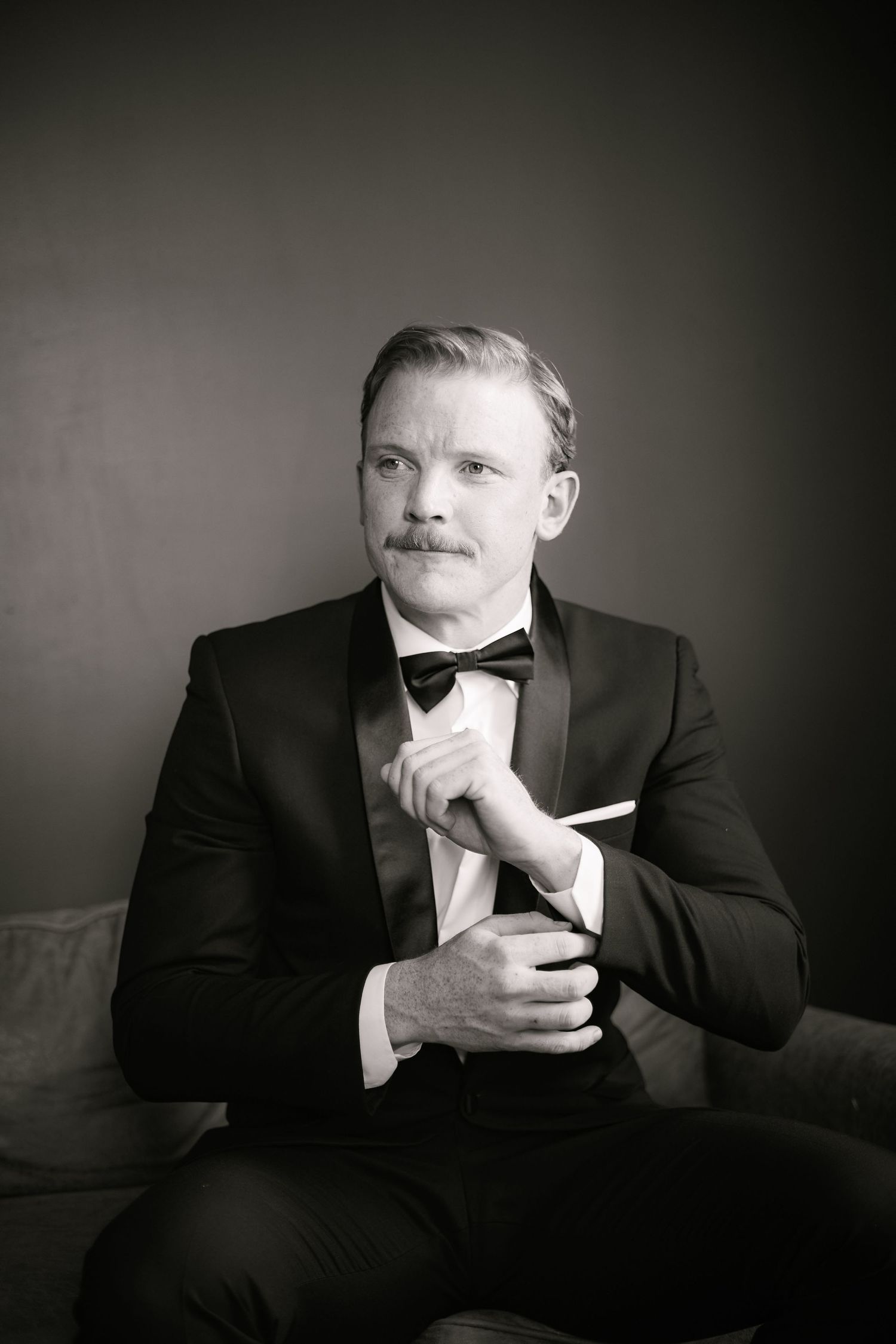
What actually impacts how many hours you need
When I help couples decide on coverage, I always look at a few key things:
1. Your getting ready timeline
Are you both getting ready at the same location or different places? If you are in separate locations, you will likely need more coverage to capture both stories properly.
2. Travel time between locations
Even short drives can take up valuable coverage time. If your ceremony, portraits, and reception are all in different places, you will want extra buffer time built in.
3. Whether you want both morning stories captured
Some couples only want one partner’s getting ready photos. Others want both. That choice alone can shift your timeline by 1 to 2 hours.
4. How important reception coverage is to you
If you want dancing, candid guest moments, and late night energy documented, you will need more coverage than a couple who only wants key reception events like speeches and first dances.
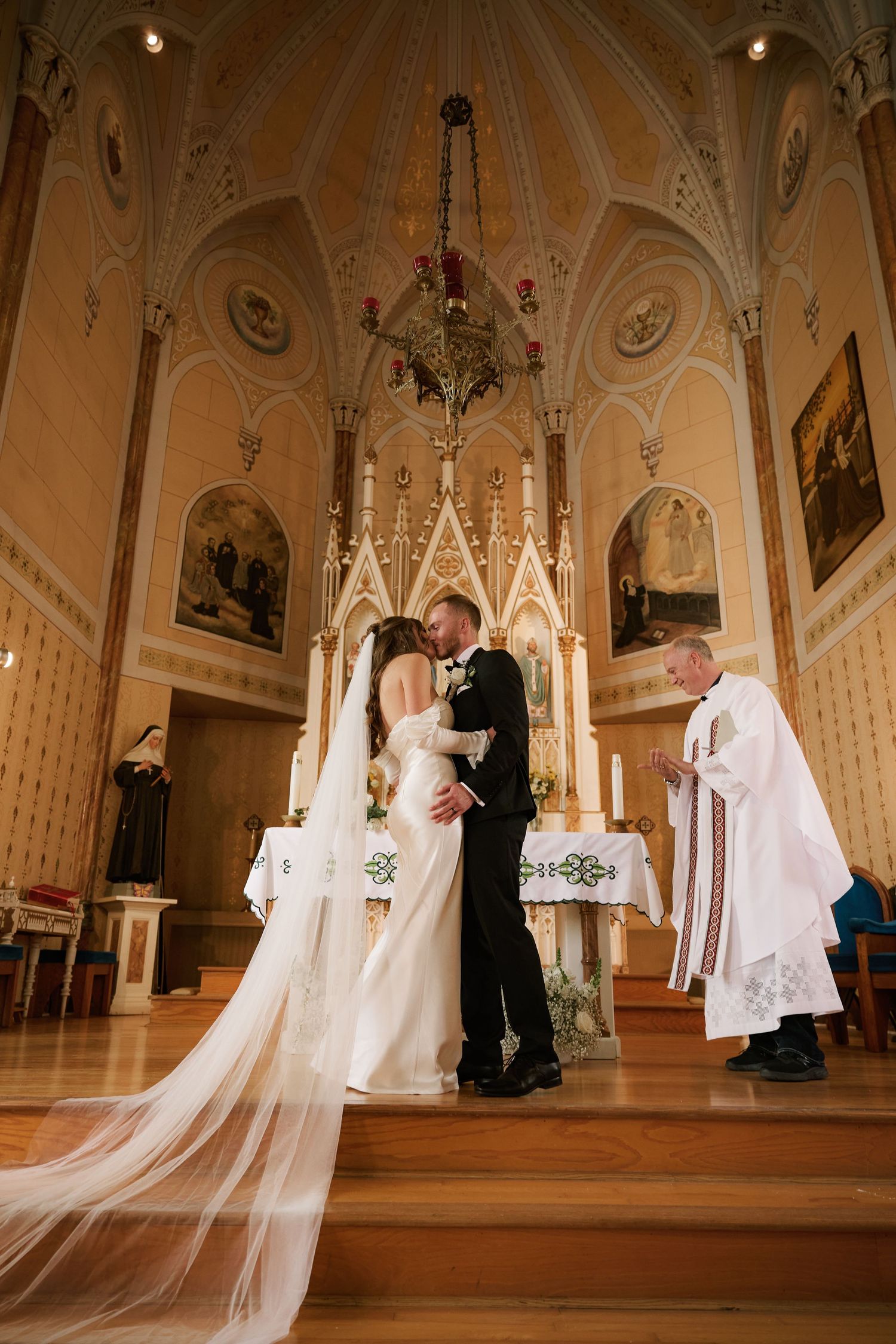
A simple way I help couples decide
When I look at a wedding day timeline, I usually ask couples this:
Do you want a relaxed, full storytelling experience where nothing feels rushed, or are you okay focusing only on the most important structured parts of the day?
If you want a more relaxed experience with space for moments to breathe, I almost always recommend 8 to 10 hours. If you are planning something more intimate or streamlined, 6 to 8 hours can be more than enough.
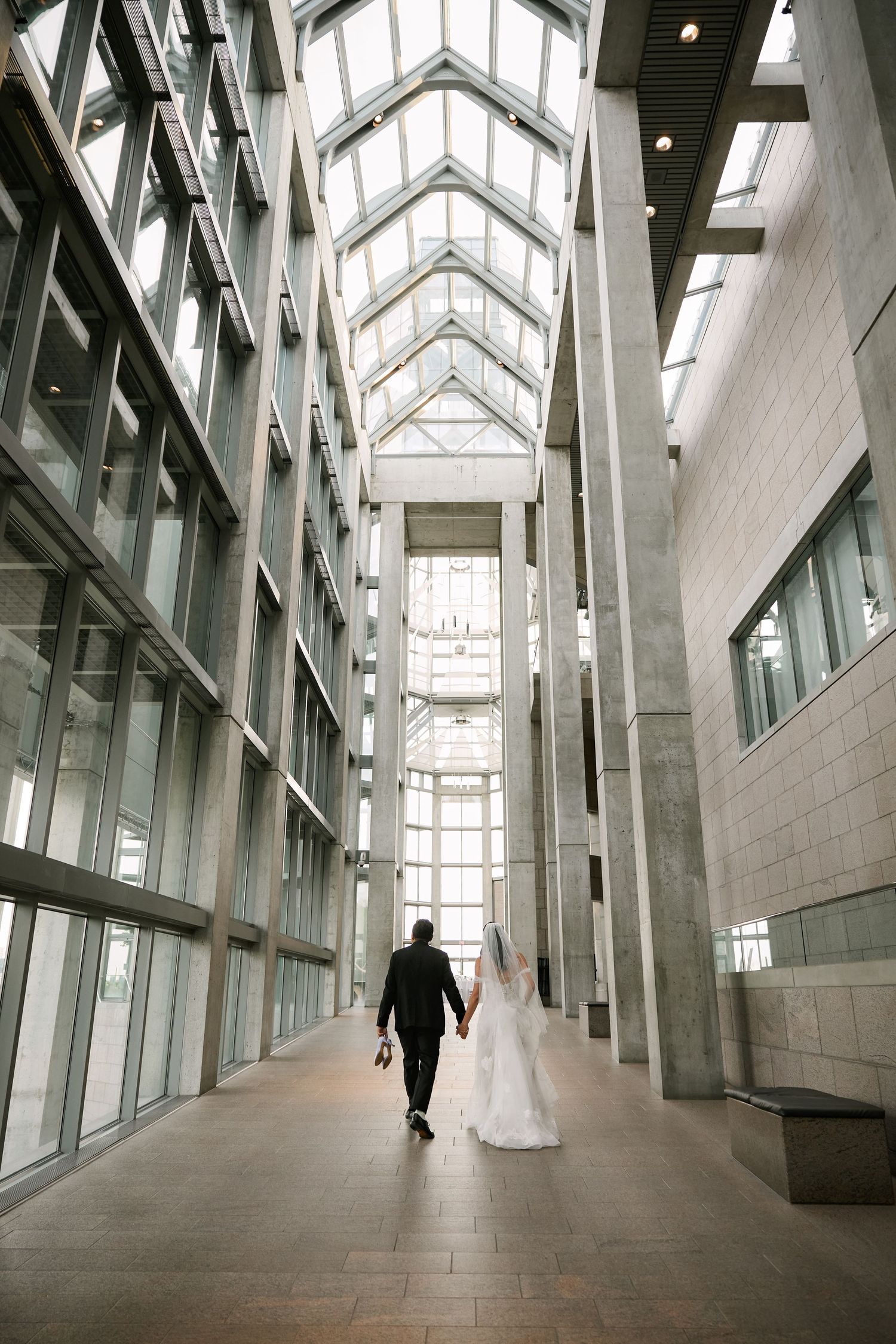
My honest recommendation as a photographer
From my experience shooting weddings across Ottawa and surrounding areas, most couples are happiest with 8 hours of coverage. It gives enough flexibility to capture the full story without overextending the day or your budget.
However, if photography is one of your top priorities and you want a full documentary style experience, 10 hours is worth it every time. It allows me to slow down, be intentional, and capture all the in between moments that often end up being the most meaningful.
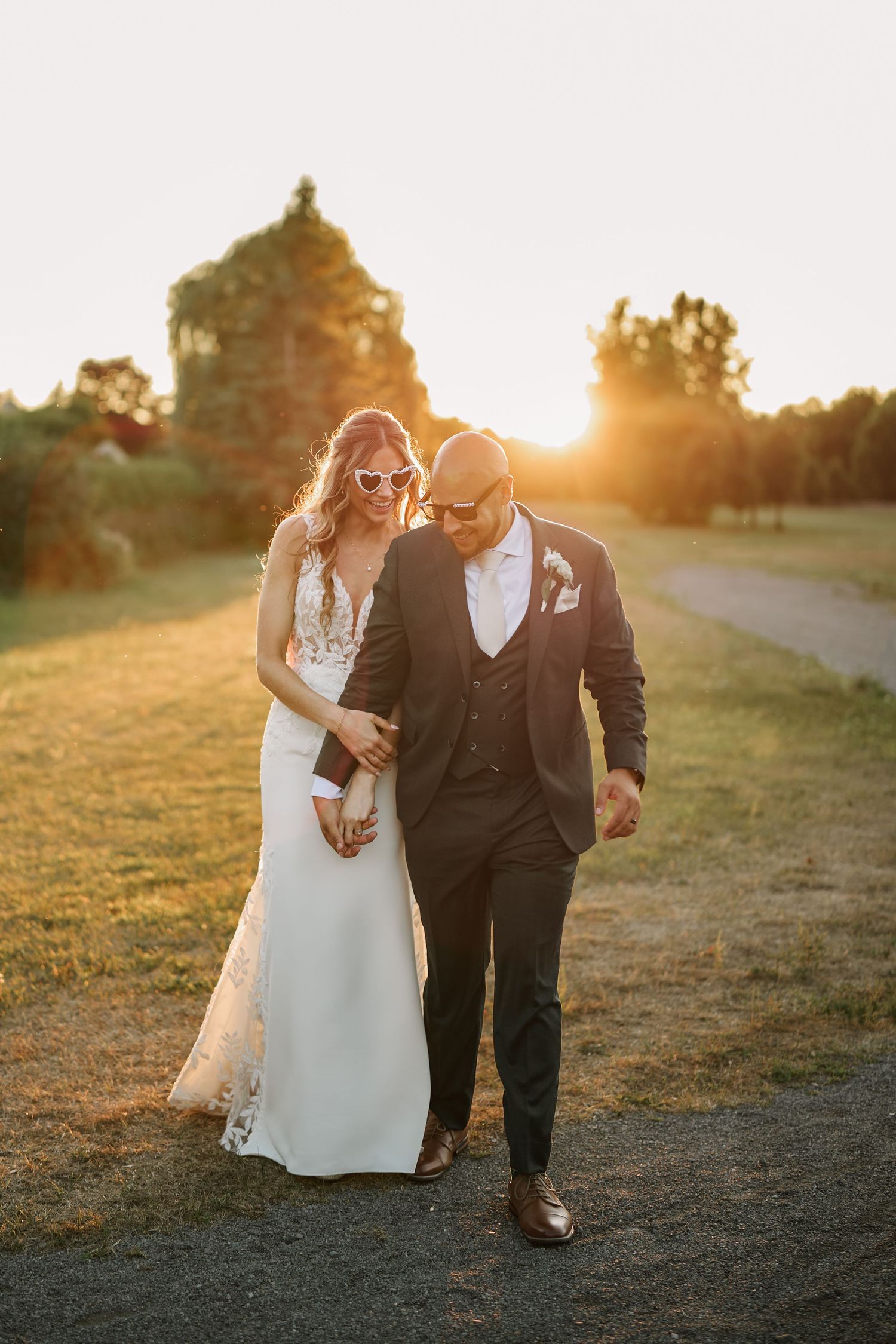
Final thoughts
Choosing your wedding photography coverage is not just about filling time slots. It is about deciding how you want your story to be remembered.
I always tell my couples that I would rather you have a timeline that feels calm and intentional than one that feels rushed and stressful. Your photos reflect the energy of your day, and having the right amount of coverage makes all the difference.
If you are unsure, I am always happy to look at your timeline and help you figure out exactly what will work best for your day.